.png)

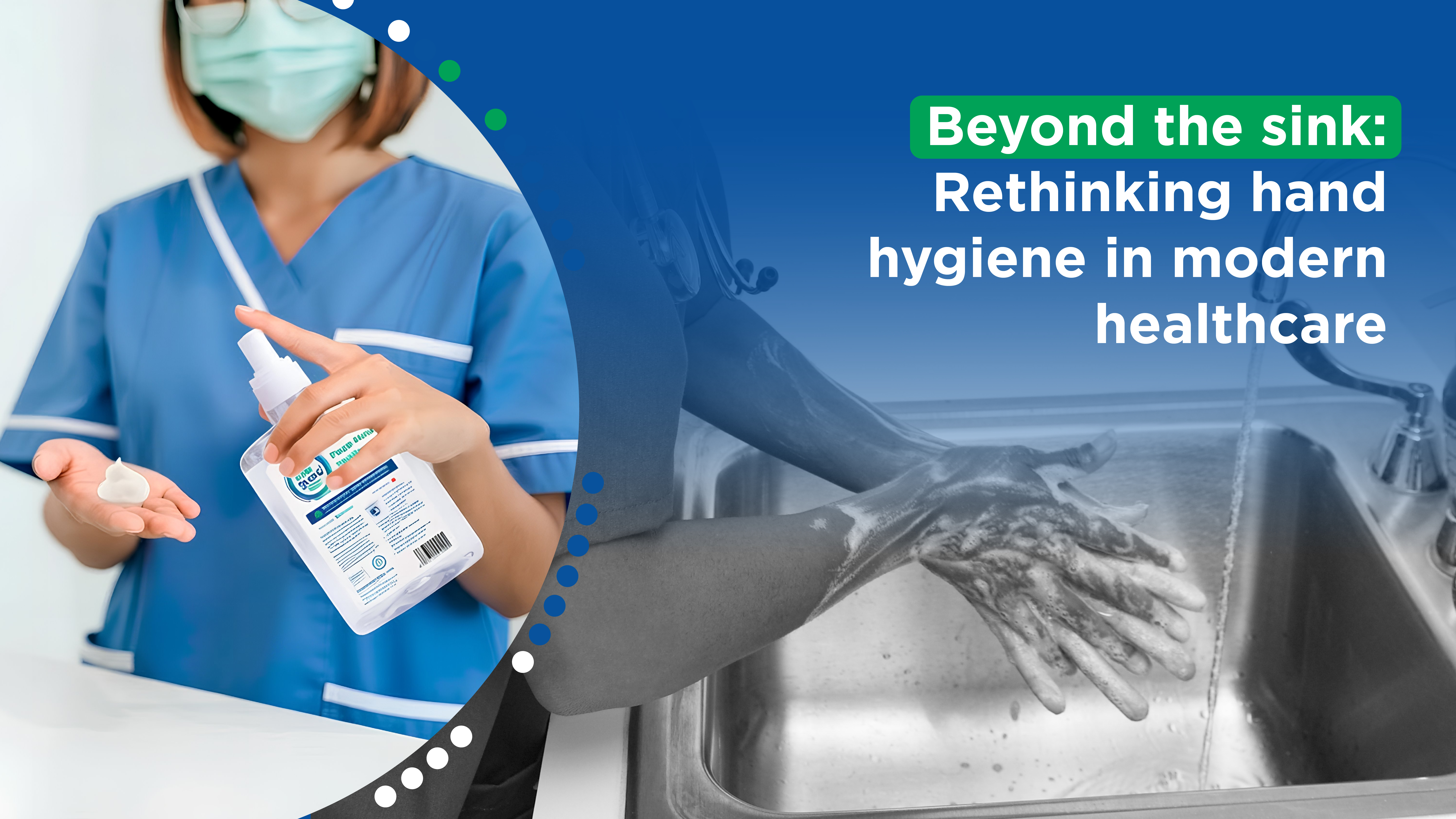
Hand hygiene is fundamental to infection prevention. Yet a recent Telegraph report highlighted a significant shift at Wexham Park Hospital in Slough: plans to remove up to 80% of its hand-washing sinks across the site, including 23 sinks from its Intensive Care Unit, as part of a wider “water-safe” strategy. Staff are now encouraged to rely on sanitiser between patient interactions, raising questions about how consistent hygiene can be maintained without traditional sinks.
The decision is rooted in growing evidence that sinks and drains can themselves act as reservoirs for harmful bacteria. Studies estimate that between 7% and 40% of CPE (carbapenemase-producing Enterobacterales)acquisitions in hospitalised patients are attributable to sinks.
While the story grabbed headlines, it also underscores a broader challenge for healthcare and high-traffic environments that is how to ensure hands are clean, safe, and protected when infrastructure is limited.
The real challenge: Hygiene that fits modern workflows
Handwashing with soap and water remains the gold standard, but even then, compliance is often inconsistent. Staff face heavy workloads and may not wash hands thoroughly for the recommended 20 seconds or dry them properly, which undermines effectiveness. Also, frequent usage of harsh alcohol based handwashes can cause skin irritation amongst the staff.
The Telegraph coverage and related studies also highlight that damp sinks and drain systems can harbour drug-resistant pathogens and act as a breeding ground. Research has found that multidrug-resistant organisms can persist within plumbing biofilms, and splashing from drains may contribute to contamination of surrounding surfaces and equipment.
This complex reality shows that infrastructure alone isn’t enough — hygiene solutions must be practical, reliable and gentle to encourage frequent use and avoid hidden reservoirs of contamination.
That’s why alcohol-free, waterless alternatives provide a way to maintain hygiene without depending on sinks, making protection accessible at the point of care.
Bioguard Hand Foam: Experience premium hand hygiene without harsh alcohol
A solution that addresses this real-world challenge is Bioguard Hand Foam — an alcohol-free, waterless hand hygiene product designed to support frequent use while ensuring high protection standards.
Key strengths of the product include:
Why Bioguard works when sinks aren’t an option
The sink removal story is a reminder that hygiene practices must work in real-world conditions. Staff are more likely to comply when solutions are fast, convenient, and skin-friendly. Bioguard Hand Foam fits naturally into this workflow:
In short, Bioguard Hand Foam provides a practical, high-standard alternative to harsh alcohols that aligns with modern healthcare needs while complementing traditional handwashing practices.
Rethinking hygiene for the future
Modern infection control in healthcare is about more than sinks — it’s about making hygiene accessible, consistent, and safe. Point-of-care solutions that integrate seamlessly into real workflows ensure that hands are protected even when traditional infrastructure is limited.
The Wexham Park Hospital example illustrates a larger trend: healthcare environments are evolving, and hygiene strategies must evolve with them. Alcohol-free, waterless hand foams like Bioguard’s allow protection to remain constant, reliable, and user-friendly, supporting both staff and patients without compromise.
Conclusion
The removal of sinks may make headlines, but the underlying lesson is clear: hygiene cannot depend solely on infrastructure. It requires solutions that are practical, effective, and gentle enough to encourage frequent use.
Bioguard Hand Foam meets this need, providing powerful, safe, and economical protection wherever hand hygiene is required — making it an essential part of modern healthcare and high-traffic environments.
Because effective hand hygiene shouldn’t depend on the presence of a sink — it should depend on quality, accessibility, and reliability.
Leave Comments